


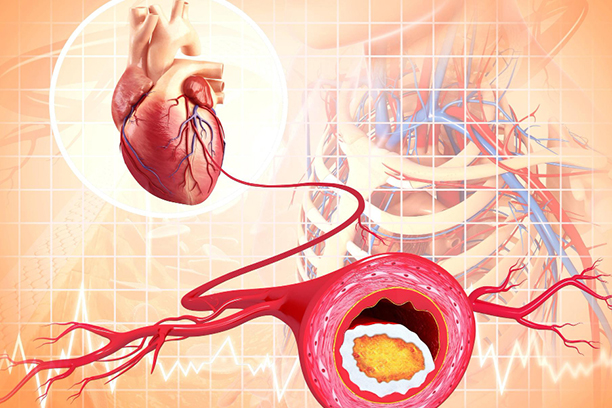
Introduction
Heart disease is one of the leading causes of serious health problems across the world. Many people do not realize they have blocked heart arteries until they experience severe chest pain or even a heart attack. Early diagnosis plays a major role in preventing complications and improving treatment outcomes. One of the most reliable tests used to detect blocked coronary arteries is Coronary angiography in Guntur. This advanced diagnostic procedure helps doctors clearly see the blood flow inside the heart's arteries and identify any narrowing or blockages.
In this guide, you will learn what coronary angiography is, why it is performed, who may need it, how to prepare, what happens during the procedure, how doctors interpret the results, possible risks, recovery, and answers to common questions.
What is Coronary Angiography?
Coronary angiography is a specialized imaging procedure that allows doctors to examine the coronary arteries, which supply oxygen-rich blood to the heart muscle. The procedure involves inserting a thin tube called a catheter into an artery, usually through the wrist or groin. A special contrast dye is then injected through the catheter while X-ray images are taken. These images provide a detailed view of the blood vessels and reveal whether there are any blockages or narrowing.
Unlike routine heart tests, Coronary Angiogram in Guntur provides highly accurate information about the condition of the coronary arteries. It is often considered the gold standard for diagnosing coronary artery disease because it gives real-time images of blood flow inside the heart. The contrast dye makes the arteries visible on X-ray images, allowing doctors to identify the exact location and severity of any blockage. This information is essential when planning the most appropriate treatment.
Why is Coronary Angiography Done?
Doctors recommend coronary angiography when they need a detailed assessment of blood flow to the heart. The procedure is commonly performed to diagnose coronary artery disease, where fatty deposits narrow or block the coronary arteries. Reduced blood supply can lead to chest pain, breathlessness, or heart attacks.
Coronary angiography is also useful for evaluating patients who have persistent chest pain that cannot be explained by other tests. If someone has suffered a heart attack, angiography helps determine which artery is blocked and how severe the blockage is. The test is frequently performed before deciding on treatments such as medications, angioplasty, or bypass surgery. It provides the detailed information needed for accurate treatment planning. Doctors may recommend coronary angiography if non-invasive tests such as ECG, Echocardiogram, CT scan, or stress tests suggest reduced blood flow to the heart.
Who Needs Coronary Angiography?
Not everyone with chest discomfort requires coronary angiography. However, certain individuals may benefit significantly from this investigation. People who experience symptoms such as chest pain during physical activity, pain spreading to the arm or jaw, shortness of breath, unusual fatigue, dizziness, or fainting may require further evaluation. Individuals with risk factors like diabetes, high blood pressure, high cholesterol, obesity, smoking, or a strong family history of heart disease may also need coronary angiography if symptoms develop.
Doctors may recommend the procedure for patients with abnormal ECG, stress test, or echocardiogram findings. It is also commonly advised for people who have already undergone previous heart procedures or have a known history of coronary artery disease. The procedure plays an important role in Heart Blockage Diagnosis in Guntur, helping doctors make accurate treatment decisions.
Coronary Angiography vs. Angioplasty
Although these procedures are often mentioned together, they serve different purposes. Coronary angiography is a diagnostic procedure that identifies blockages inside the coronary arteries. Angioplasty, on the other hand, is a treatment procedure used to open narrowed or blocked arteries. During angioplasty, a small balloon is inflated inside the narrowed artery, and in most cases, a stent is placed to keep the artery open. In many situations, if a significant blockage is detected during angiography, Angioplasty Treatment in Guntur may be performed immediately during the same session, depending on the patient's condition and the doctor's assessment. This approach reduces the need for another hospital admission and allows blood flow to be restored quickly.
How to Prepare Before the Procedure
Proper preparation helps ensure the procedure is performed safely and smoothly. Before coronary angiography, your doctor will conduct a thorough medical evaluation. Blood tests are usually performed to check kidney function, blood sugar, blood count, and clotting ability. Patients should inform their doctor about all medications they are taking. Certain blood-thinning medicines or diabetes medications may need temporary adjustment before the procedure. Patients are generally advised to avoid eating or drinking for several hours before the angiogram. This fasting period helps reduce the risk of complications during the procedure.
If you have a history of allergy to contrast dye or kidney disease, your healthcare team will take additional precautions to reduce potential risks. Following your doctor's instructions carefully helps improve both safety and recovery.
What Happens During Coronary Angiography?
The procedure is performed in a specialized catheterization laboratory under sterile conditions. After admission, you will change into a hospital gown, and an intravenous line will be inserted for medications if needed. Your heart rate, blood pressure, and oxygen levels will be continuously monitored. The doctor cleans and numbs the skin using local anesthesia. A small catheter is then inserted through an artery in the wrist or groin and carefully guided toward the heart. Once the catheter reaches the coronary arteries, contrast dye is injected. As the dye flows through the arteries, multiple X-ray images are captured from different angles to identify any narrowing or blockage.
The procedure usually takes between 20 and 45 minutes, although it may take longer if additional treatment is required. Most patients remain awake throughout the procedure. Local anesthesia prevents pain at the insertion site, although some people experience a brief warm sensation when the dye is injected. A Heart Angiography Specialist in Guntur carefully monitors the procedure to ensure accurate imaging while maintaining patient safety.
Understanding the Results & Next Steps
The angiography report provides valuable information about the condition of the coronary arteries. If the arteries appear normal, no significant blockage is present, and symptoms may be caused by another condition. Mild blockages are usually managed with medications, lifestyle changes, and regular follow-up. Moderate blockages require careful evaluation. Some patients benefit from medicines, while others may require additional procedures depending on symptoms and blood flow. Severe narrowing often requires prompt treatment because it significantly reduces blood supply to the heart. Complete blockage is considered a serious condition. Depending on the patient's overall health and the location of the blockage, doctors may recommend Heart blockage treatment in Guntur through angioplasty or coronary artery bypass surgery. Your cardiologist will explain the findings in detail and recommend the most suitable treatment based on the severity of the disease.
Benefits, Risks & Recovery
Coronary angiography offers several important advantages:
- Provides highly accurate images of coronary arteries.
- Identifies the exact location and severity of blockages.
- Helps doctors choose the most effective treatment.
- Can allow immediate treatment if angioplasty is required.
- Reduces uncertainty in diagnosing chest pain.
Like any medical procedure, coronary angiography carries a small risk of complications. These may include bleeding at the catheter site, allergic reaction to the contrast dye, kidney problems in susceptible individuals, irregular heartbeat, or infection. Serious complications are uncommon when the procedure is performed by experienced specialists. Recovery is generally quick. Many patients return home on the same day or the following day, depending on their overall condition. Drinking plenty of fluids, avoiding heavy lifting for a few days, and following medical advice help promote a smooth recovery.
Conclusion
Coronary angiography remains one of the most effective methods for diagnosing coronary artery disease. It provides detailed information about the condition of the heart's arteries and helps doctors make timely treatment decisions. Early diagnosis can prevent heart attacks, improve long-term heart health, and ensure that patients receive the most appropriate care based on the severity of their condition.
If you have persistent chest pain, unexplained breathlessness, or abnormal heart test results, consulting Dr. Nathani Srikanth at CVR Hospitals can help determine whether coronary angiography is the right investigation for you. Early evaluation and expert care can make a significant difference in protecting your heart health.
Frequently Asked Questions (FAQs)
1. Is coronary angiography painful?
No. The procedure is usually not painful because local anesthesia numbs the insertion site. You may only feel slight pressure or a warm sensation during dye injection.
2. How long does coronary angiography take?
The procedure usually takes between 20 and 45 minutes.
3. Is coronary angiography safe?
Yes. It is considered a safe procedure when performed by an experienced Interventional cardiologist in Guntur.
4. Can I go home the same day?
Many patients can return home on the same day if there are no complications. Some may stay overnight for observation.
5. What is the difference between angiography and angioplasty?
Angiography diagnoses blocked arteries, while angioplasty treats them by opening the narrowed vessel.
6. What if my angiography is normal?
A normal angiogram means your coronary arteries are open, and your doctor will investigate other possible causes of your symptoms.
7. What percentage of blockage requires angioplasty?
Treatment depends on several factors, but severe blockages—especially those causing symptoms or reducing blood flow significantly—often require angioplasty.
8. Can coronary angiography detect all heart problems?
No. It specifically evaluates the coronary arteries. Other heart conditions may require additional tests.
9. What are the side effects after angiography?
Mild bruising, soreness, or slight swelling at the catheter insertion site are common and usually improve within a few days.
10. How much rest is needed after coronary angiography?
Most patients are advised to rest for one or two days and avoid strenuous activities for several days.
11. How should I prepare for an angiogram?
Follow fasting instructions, discuss your medications with your doctor, complete recommended blood tests, and inform your healthcare team about allergies or kidney disease.